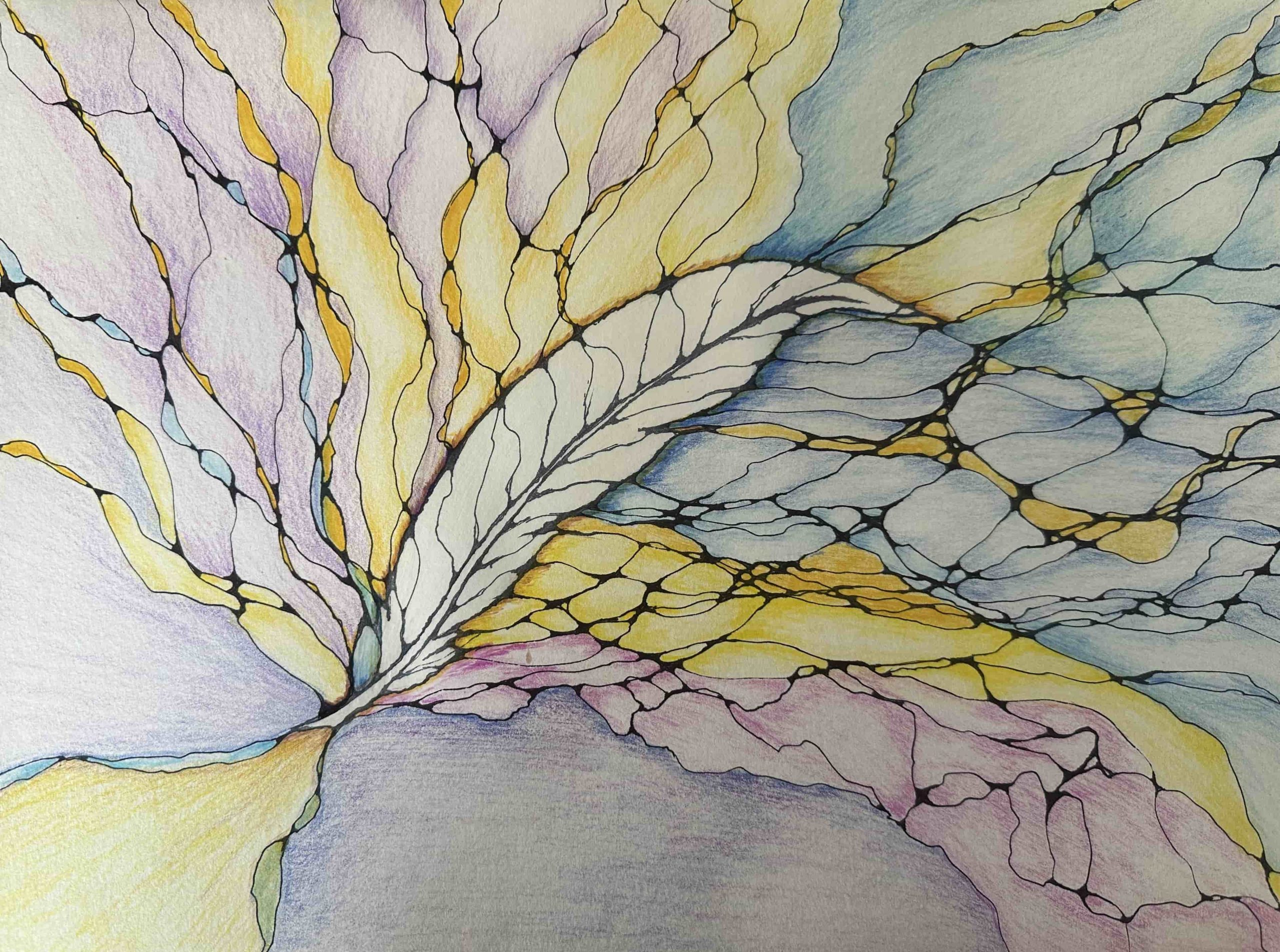
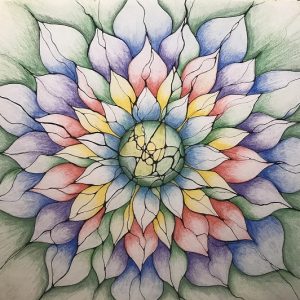
Saying Goodbye | A gentle NeurographicAI Grief Support drawing for integration, remembrance, and emotional completion
Saying Goodbye supports a later stage of grief, often emerging after burial, ritual, or a significant moment of farewell, when the reality of loss begins to settle more deeply into everyday life. This stage of grief is not about forgetting, moving on, or closing a chapter. Instead, it is about integration, finding a way to carry love, memory, and connection forward while gently reconnecting with life as it continues.
This NeurographicAI™ drawing is designed to offer a calm, reflective space where grief can soften without being erased, and where remembrance can coexist with acceptance. It honours the truth that goodbye is rarely a single moment, but a gradual, evolving process.
Understanding the need for integration
After the intensity of early grief and the emotional force of anger or frustration, many people arrive at a quieter, more complex phase. The world resumes its pace, while grief remains present beneath the surface. There may be moments of calm, alongside waves of sadness, longing, or reflection.
This stage can feel disorienting. Others may assume grief is “over,” while internally the bond with the person who has died remains strong. Saying Goodbye acknowledges this reality and offers a creative way to process grief that no longer feels raw, but still carries weight.
What this drawing offers
Saying Goodbye provides a structured yet gentle drawing process that supports:
-
emotional integration rather than emotional intensity
-
remembrance without overwhelm
-
gratitude alongside sadness
-
continuity rather than closure
The drawing invites participants to reflect on what has been lost, what remains, and how the relationship continues internally. It creates space for acknowledgement, appreciation, and emotional completion, without forcing finality.
This is not a ritual of release. It is a practice of presence.
The NeurographicAI™ structure explained
This drawing typically uses:
-
Open forms and softened lines to encourage spaciousness and ease
-
Balanced composition to reflect emotional steadiness
-
Gentle repetition and rhythm to support reflection
-
Intentional use of colour to represent memory, gratitude, and ongoing connection
Participants may incorporate symbolic shapes, subtle patterns, or meaningful colour choices that reflect their personal relationship and memories. The structure supports clarity without rigidity, allowing the drawing to unfold naturally.
Why this stage matters
Without integration, grief can remain suspended, neither acute nor resolved, but quietly heavy. Saying Goodbye helps acknowledge the shift that has already begun, allowing grief to settle into a form that can be carried rather than endured.
This stage supports:
-
emotional continuity
-
reconnection with daily life
-
internal acknowledgement of change
-
permission to live alongside grief, not in opposition to it
By externalising these reflections through drawing, participants are able to recognise what has changed and what remains.
Who this drawing is for
Saying Goodbye is suitable for:
-
individuals who feel ready for reflection rather than release
-
those who have passed through earlier grief stages
-
people seeking meaning, remembrance, or emotional clarity
-
participants who wish to honour a relationship while moving forward gently
It can be used independently or as part of the wider Grief Support series.
What participants may experience
Participants may experience a sense of calm, warmth, or emotional steadiness. Some may feel sadness mixed with gratitude; others may feel clarity, softness, or quiet acceptance. There is no expected outcome.
This drawing does not end grief. It allows grief to take a form that feels more livable.
Ethical positioning
Saying Goodbye is non-clinical and non-therapeutic. It does not replace counselling, therapy, or bereavement support services. It is offered as a creative wellbeing practice, grounded in personal agency and choice.
Participants are encouraged to move at their own pace, pausing whenever needed.
Closing reassurance
Saying goodbye does not mean letting go of love.
It means allowing love and memory to change shape.
This drawing offers a space where grief, remembrance, and life can exist together, quietly, honestly, and with care.
Links of interest
WELLBEING WORKSHOPS & ARTS AWARD
Enquiries | Contact me
Reviews
There are no reviews yet