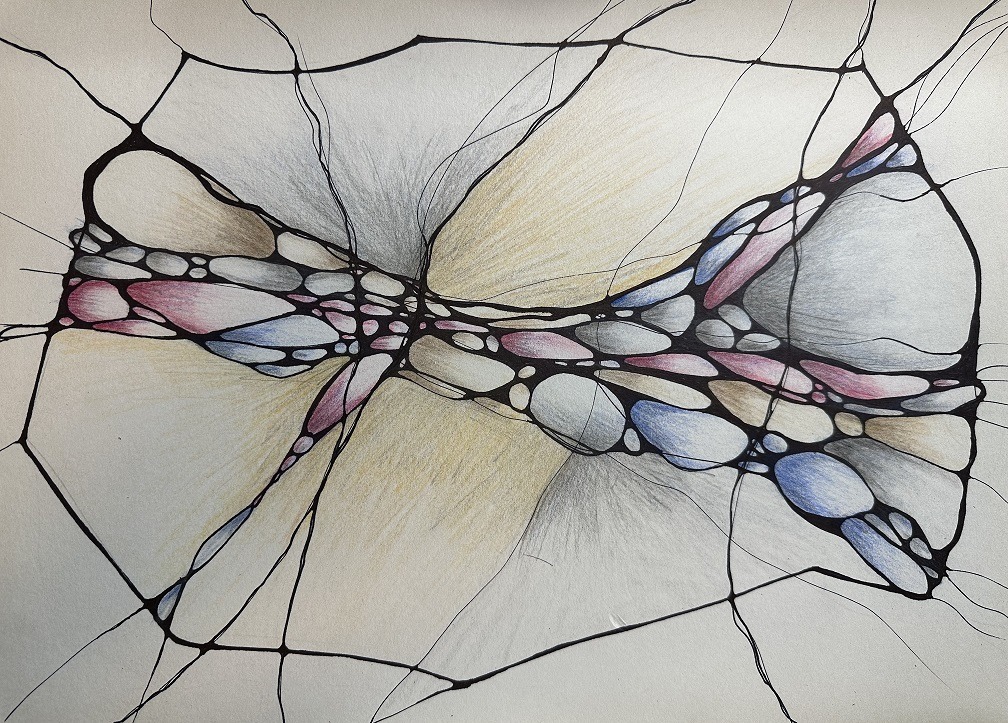
Anger in Grief | Giving shape to unspoken emotions without judgement or harm
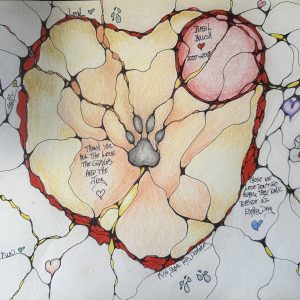
Anger in Grief recognises a part of the grieving process that is common, natural, and yet often unspoken. In the days and weeks following loss, anger can surface unexpectedly sometimes directed at circumstances, systems, other people, oneself, or even the person who has died. This drawing is designed to provide a safe, structured, and non-judgemental space for that anger to be acknowledged and expressed without fear, shame, or emotional overload.
Anger is not a failure of grief. It is often a sign of love meeting helplessness, injustice, and sudden change. This NeurographicAI™ drawing honours anger as a valid emotional response, offering a way to work with it creatively rather than suppressing or denying it.
Understanding anger within grief
Anger frequently arises during the practical and emotional demands that follow loss, funeral planning, administrative responsibilities, disrupted routines, and the pressure to function while emotionally raw. For many people, this stage of grief is confusing. Anger may feel inappropriate, frightening, or socially unacceptable, leading it to be pushed down or turned inward.
When anger is suppressed, it can manifest as tension, irritability, exhaustion, or emotional shutdown. Anger in Grief offers an alternative: a contained drawing process that allows anger to be expressed safely, without harm to self or others, and without the need to justify or explain it.
What this drawing offers
This drawing provides a balance between expression and containment. Unlike unstructured emotional release, the NeurographicAI™ approach uses intentional form, line, and boundary to ensure that emotional intensity does not become overwhelming.
Participants are guided to:
-
acknowledge anger honestly
-
express emotional pressure through line and movement
-
contain intensity within supportive structures
-
remain grounded while engaging with strong emotion
The drawing does not aim to eliminate anger. Instead, it allows anger to move, soften, and transform into awareness.
The NeurographicAI™ structure explained
Anger in Grief typically uses:
-
Strong, assertive lines to express emotional force, resistance, and frustration
-
Contained shapes and boundaries to prevent emotional flooding
-
Repetition and pattern to support regulation and focus
-
Intentional colour choices that reflect emotional intensity without escalation
Participants may choose darker, bolder, or more contrasting colours, or work with pressure and movement in the drawing itself. The structure ensures that even when emotions are strong, the process remains supportive rather than destabilising.
This balance between freedom and containment is key to working with anger safely.
Why this stage matters
Anger often appears after the initial shock of loss begins to settle. It can emerge once practical responsibilities increase and expectations to “cope” quietly intensify. If left unacknowledged, anger can become stuck, turning into resentment, guilt, or emotional withdrawal.
By giving anger a visible, external form through drawing, participants are able to:
-
recognise anger without being consumed by it
-
separate the emotion from their identity
-
reduce internal pressure
-
support nervous system regulation
This stage helps grief continue to move rather than stagnate.
Who this drawing is for
Anger in Grief is suitable for:
-
individuals experiencing frustration, irritability, or emotional tension after loss
-
those who feel anger but struggle to express it safely
-
people navigating the practical demands of bereavement
-
participants who have already engaged with early grief support and feel ready to explore deeper emotional layers
It can be used individually or within a guided workshop setting, always with emphasis on choice, pacing, and self-awareness.
What participants may experience
Participants may experience a sense of relief, clarity, or emotional release. Some may notice physical sensations easing, such as tension in the body or shallow breathing. Others may simply feel more grounded and less emotionally congested.
There is no expectation to “feel better” or calmer immediately. The intention is awareness and permission, not resolution.
Ethical positioning
Anger in Grief is non-clinical and non-therapeutic. It does not replace counselling, therapy, or medical support. It is offered as a creative wellbeing practice that can sit alongside other forms of support.
Participants remain in control of their engagement and are encouraged to stop, pause, or step away at any point.
Closing reassurance
Anger does not mean you are grieving wrongly.
It means something mattered deeply.
This drawing offers a place where anger can be expressed without harm, without judgement, and without fear — allowing grief to continue its natural, human movement.
Links of interest
WELLBEING WORKSHOPS & ARTS AWARD
Enquiries | Contact me
Reviews
There are no reviews yet